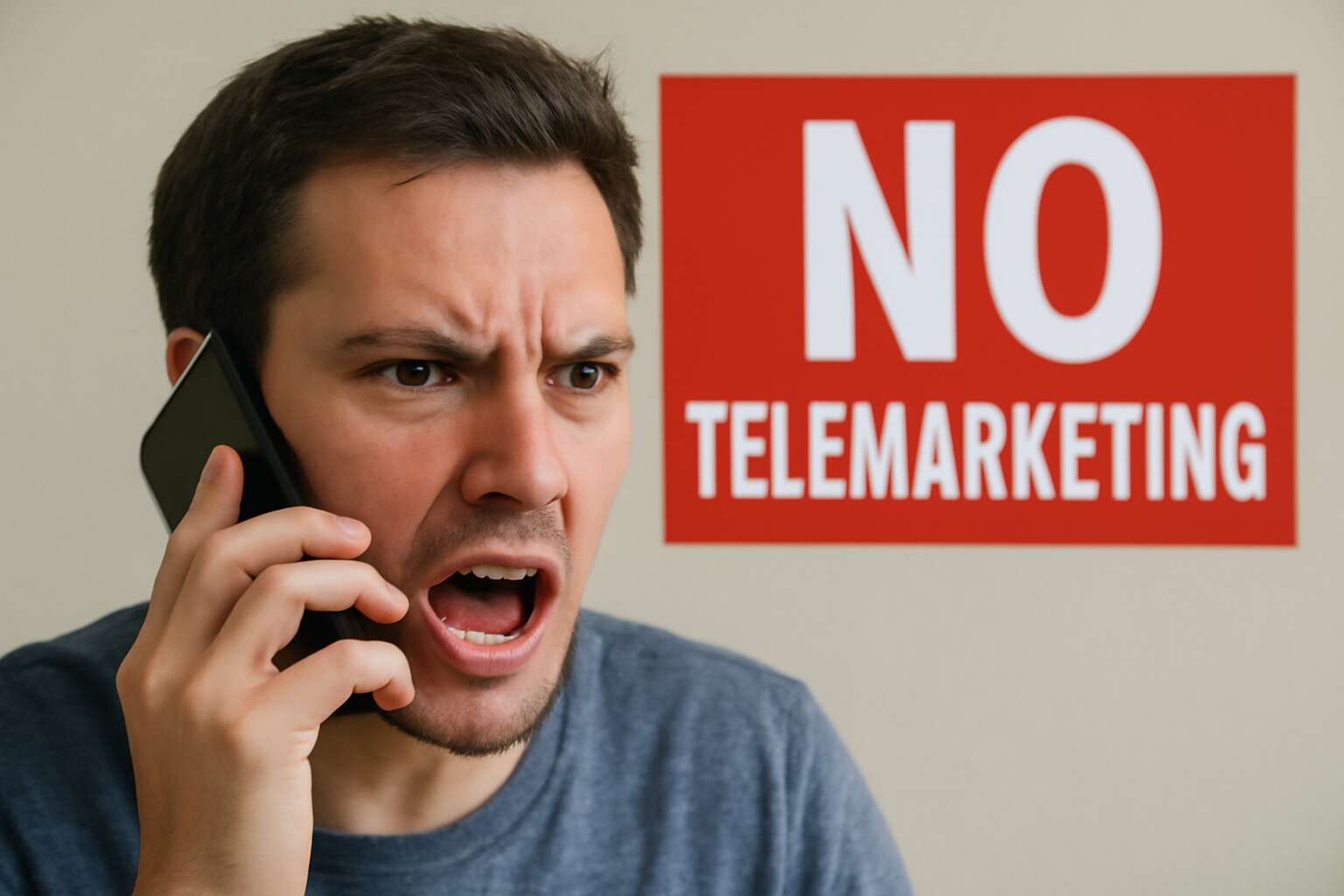
Impact on consumer privacy and trust
Surveillance concerns and data handling
Telemarketing storms into quiet moments, and in South Africa many consumers hear a weary sigh rather than a welcome hello. A local shopper once quipped, “privacy is not a negotiable boundary, and my day isn’t a lottery.” So, why is telemarketing bad? The friction isn’t only about interruption; it’s about trust fraying under unsolicited data requests and relentless reminders. I hear this in conversations with customers daily!
Impact on consumer privacy and trust matters, because telemarketing leans on data trails left behind by consent practices that are far from perfect.
- Data collection without explicit consent or meaningful opt-out
- Secondary use or sharing with third parties
- Prolonged retention that outstays its purpose
Surveillance concerns and data handling reveal how privacy becomes a social issue, not merely a corporate concern. In South Africa, POPIA demands accountability, secure storage, and purpose limitation; companies that ignore these rules erode public trust and invite skepticism about every outreach.
Unsolicited outreach and time waste
A shopper once quipped, “privacy is not a negotiable boundary, and my day isn’t a lottery.” That sentiment lands like a bell in a quiet room—telemarketing bursts in, and trust can shatter with the first ring. In South Africa, the sting is real, and the question lingers: why is telemarketing bad?
Unsolicited outreach preys on scarce attention and thin patient tolerance. Each disruptive call or text chips away at the sense that consumer data is treated with respect. The outcome is a ripple effect: hesitation to engage, reluctance to share, and a brand that feels more invasive than helpful.
- Perceived data misuse erodes credibility
- Time wasted on irrelevant or out-of-policy outreach
- Growing regulatory and reputational risk for brands
Trust erosion and brand perception
When the phone rings in the middle of dinner, it isn’t merely inconvenient—it redefines the boundary between consumer and brand. In South Africa, unsolicited outreach lands hard, puncturing trust before a conversation begins. The question ‘why is telemarketing bad’ resonates because the interruption signals that reach is valued over relevance.
The impact on consumer privacy is tangible. People guard their data as a personal boundary, opting in and resisting sharing sensitive details. This isn’t paranoia—it’s a rational response to perceived intrusion. Trust erosion follows, and brand perception shifts from helpful partner to pushy interrupter, a narrative that travels quickly through networks and reviews.
- Hesitation to share personal details
- Loss of trust and credibility
- Amplified negative word-of-mouth across communities
Privacy regulations and consumer rights
That phrase why is telemarketing bad lands with a hollow thud in South Africa, where unsolicited calls interrupt family dinners and workdays. The intrusion isn’t mere noise—it redefines the boundary between consumer and brand.
Privacy regulations and consumer rights, anchored by POPIA and the Consumer Protection Act, demand clear consent, easy access to personal data, and the ability to stop processing. Telemarketing that ignores these provisions erodes trust and invites penalties.
Key rights in this landscape include:
- Right to access personal data
- Right to correction or deletion
- Right to opt-out or object to processing
- Right to data breach notification
- Right to information about why data is collected
Respecting these rights preserves trust and signals a brand rooted in respect rather than interruption!
Intrusion and disruption in daily life
Interruptions during personal time
Morning light spills over a thatch roof as the kettle hisses, and then the phone rings. In rural South Africa, telemarketing interruptions puncture daily life with jarring regularity, turning peaceful moments into interruptions. The intrusion isn’t only a momentary annoyance; it shifts routines, frays patience, and leaves households on edge. The question of why is telemarketing bad becomes a felt pressure that crowds out quiet, personal time.
- Interruptions during meals and family time
- Noise during rest or chores, breaking concentration
- Unexpected calls during farming tasks or emergencies
We value space for a moment of peace, and that is where the harm lies—telemarketing fractures daily life in ways that numbers alone cannot capture.
Negative emotional response and stress
Phone bells slice through the hush like a stray brick through a wall. In rural South Africa, telemarketing calls sneak into the day with stubborn regularity, turning quiet moments into disruptions. It’s not just the sound—it’s the way it scrambles routines and frays patience, leaving households perched on edge.
That stress isn’t fleeting. Each unsolicited ring pulls attention away from work, kids, and chores, elevating irritation and dampening mood for hours. The emotional toll compounds during sensitive moments—meal times, rest, or emergencies on a farm—where calm is prized above all.
- Morning routine and coffee time disrupted before the kettle even finishes boiling
- Meal moments punctured by a call, spoiling conversations and plans
- On the farm, sudden rings break focus during essential tasks or urgent situations
So, why is telemarketing bad? It turns quiet spaces into stress grounds, and that’s not okay.
Impact on work productivity
Intrusion into the workday isn’t merely loud; it slices through focus like a blade. In the studio of routine and deadlines, a sudden ring fractures cognitive momentum and drags us out of deep work. South African offices and remote farms alike feel the sting of constant interruptions, where attention is a scarce resource.
What follows is a measurable erosion of productivity. Context switching, missed cues, and delayed decisions compound, turning small interruptions into cascading delays that ripple across teams and timelines.
- Context switching costs create lost minutes and mental fatigue.
- Unplanned calls disrupt scheduled meetings and critical tasks.
- Persistent interruptions degrade accuracy and morale over a long workday.
This raises a stark question: why is telemarketing bad?
Noise and nuisance in public spaces
On a sun-warmed afternoon in a rural village or a windy town street, the ring arrives with blunt certainty. The phone’s tone slices into meals, farm chores, and quiet moments, turning focus into jagged fragments. So, why is telemarketing bad? Because it weaponizes interruptions, turning ordinary routines into a chorus of broken thoughts and delayed decisions.
In public spaces, the nuisance extends beyond the device itself:
- Interruptions during market chats or while guiding a tractor
- Noise that drowns out street conversations and the radio’s chatter
- Persistent calls that force pauses in tasks and family moments
From the line at the market to the shade of a veranda, these rings leave a residue of fatigue and impatience that lingers long after the call ends.
Effectiveness and ROI of telemarketing
Low conversion rates and quality concerns
Conversion rates in telemarketing rarely rise above single digits, a sober beacon in the noisy world of outbound campaigns. This begs the question: why is telemarketing bad, when ROI stays stubbornly low—and in the South African market, where time and privacy are sacred—the mismatch becomes glaring. I’ve sat in boardrooms where glossy forecasts crumble under real customer fatigue, and the constant ping of unanswered calls tells a story no chart can hide.
ROI is not merely a ratio; it’s a tale of reach, cadence, and cost. The drain on resources is real, and the following factors sap value:
- High fixed costs for trained agents and compliance overhead
- Low contact rates that inflate cost per lead
- Quality concerns when targeting misses the mark
Against this backdrop, telemarketing often trails behind other channels in overall value in South Africa, where customer expectations and regulatory scrutiny sharpen the edge of every outbound interaction!
Costs of campaigns and resource allocation
Effectiveness and ROI in telemarketing boil down to reach, cadence, and cost—three unpredictables that rarely sing in harmony. The perennial query why is telemarketing bad points to stubborn math rather than bad intent: even polished conversations can fail to scale, and a calendar full of promises often evaporates into marginal gains. In the South African context, time is scarce and attention more precious than gold, making every dial a delicate negotiation.
Costs of campaigns demand disciplined resource allocation.
- Budget pacing across campaigns and channels
- Staffing, scheduling, and training initiatives
- Data, technology, and system integration costs
Taken together, the ROI dial rarely points north when weighed against opportunity costs and competing channels.
Comparative performance of alternative channels
Effectiveness and ROI in telemarketing hinge on reach, cadence, and cost, but comparative performance of alternative channels often tilts the balance. Telemarketing can yield immediate contact, yet the cost per engagement and the need for skilled agents dull the ROI shine when stacked against digital avenues with scalable automation. In many South African campaigns, email, social, and content-led funnels convert with less disruption and more trackable journeys. The lingering question: why is telemarketing bad?
Alternative channels can outperform in several metrics:
- Email marketing with lifecycle automation
- Social and paid search for scalable reach
- Content-driven inbound that nurtures trust over time
Impact on customer lifetime value and retention
Effectiveness and ROI in telemarketing hinge on reach, cadence, and cost, but the ledger often tips toward digital channels. Instant contact is possible, yet the price of skilled agents, compliance overhead, and the friction of cold calls dull the value proposition. In South Africa, where email and social funnels scale with automation, the lure of a personal call clashes with the pace of modern buyers. The question: why is telemarketing bad.
Impact on customer lifetime value and retention is the darker shade in the palette. A handful of well-timed calls might win a purchase, but the same touches can erode trust and lift churn, shrinking CLV over the longer horizon. Permission-based journeys and content-led nurture tend to preserve affinity, supporting repeat business. When measured against digital, telemarketing often trails in sustained engagement and cost-efficiency, reinforcing the case for more elegant, consent-driven paths.
Legal and compliance risks
Do Not Call lists and penalties
Legal and compliance risks shadow telemarketing campaigns in South Africa. Do Not Call registers exist to shield personal time, and penalties attach to non-compliance. The question arises: why is telemarketing bad in a market where consent and opt-outs are non-negotiable? Breaches trigger investigations, fines, and potential suspension of campaigns.
- Do Not Call violations can attract regulator-imposed fines and corrective actions.
- Regulatory probes may halt campaigns until records of consent and opt-outs are verified.
- Civil liability for privacy infringement can damage brand trust and invite litigation.
We know the cost of missteps goes beyond money. Non-compliance isn’t just a box-ticking issue; it can erode customer trust and invite long shadows over growth. By keeping opt-out mechanisms clear and consent records intact, we protect the business from severe penalties and keep the door open to responsible outreach within the law.
Consent requirements and opt-out mechanisms
In the South African market, the price of a compliance misstep in telemarketing isn’t merely a fine; regulators can issue penalties, demand corrective actions, and suspend campaigns until consent records and opt-out events are verifiable. The question of why is telemarketing bad takes on sharper meaning when framed by rights to privacy and personal time. When consent can’t be traced, the line between outreach and intrusion blurs, and trust with customers frays.
Consent requirements and opt-out mechanisms set the boundary terms of engagement. They anchor outreach in verifiable permission and an accessible means to stop further contact, safeguarding both individuals and brands. Breaches can trigger regulator investigations, civil liability, and reputational damage that shadows future growth.
Regional and international regulations
In South Africa, the legal constellations around telemarketing are not mere compliance chores; they’re navigational stars guiding who you reach and how risk threads through a campaign. POPIA governs personal data use, the CPA defends consumer rights, and cross-border transfers must heed international safeguards. These rules color every outreach decision.
At the core, the risk landscape is plain: a breach can trigger regulator investigations, corrective actions, and the suspension of campaigns until consent and opt-out trails are verifiable. The perennial question why is telemarketing bad gains weight as penalties rise and reputational damage lingers.
- POPIA-compliant data processing and consent records in SA
- GDPR and other jurisdictions’ data-transfer safeguards
Regulatory vigilance, like a careful captain steering through a starry sea, invites purposeful, respectful engagement that protects time and privacy.
Record-keeping and audit obligations
In South Africa, the consequences breathe down the neck of every outbound team. The question why is telemarketing bad isn’t just a gripe—it’s a risk ledger, where consent trails and audit trails determine whether a campaign stays live or sinks. Regulators watch like stern editors; penalties swell, and reputations falter.
Record-keeping and audit obligations anchor accountability. They demand thorough data-processing logs, access controls, and documented governance when data moves across borders.
- Retention and accessibility of processing logs
- Comprehensive audit trails for data-handling activities
- Vendor oversight and cross-border transfer documentation
Ultimately, the legal stage is a demanding craft—play it well and you protect time and privacy, while keeping the dream of responsible outreach alive.
Ethical considerations and brand risk
Respecting consumer autonomy and consent
Consent is not a checkbox but the heartbeat of respectful outreach. “Consent is the hinge on which trust turns,” and it resonates as I ponder why is telemarketing bad and its effect on a brand’s moral compass.
When calls arrive without clear autonomy, a brand risks souring perception and invites scrutiny from customers and regulators. Respecting consumer autonomy and consent means asking for permission, offering meaningful choice, and honoring opt-out swiftly.
- Clear opt-in language and purpose disclosure
- Visible, easy opt-out on every call
- Minimal data collection and transparent use
Without these guardrails, conversations feel like intrusion, and reputational harm lingers long after the dial tone.
Transparency and opt-in practices
“Consent is the hinge on which trust turns,” and in the shadowed corridors of outreach, that hinge creaks when permission remains unearned. The question of why is telemarketing bad becomes a mirror: it reflects a brand’s moral compass when calls intrude on quiet moments and tidy reputations begin to fray.
Ethical considerations demand that campaigns honor consumer sovereignty. Be explicit about who is calling, why the call exists, and how data will be used. Transparency is not theater; it is the armor that keeps conversations humane and boundaries intact, even in a fevered marketplace. In short, why is telemarketing bad is answered by consent and clarity.
Brand risk blooms where neglect invites regulatory gaze and public crowding of the echo chamber. In South Africa, POPIA governs how voices may be raised in the name of selling. A misstep here stains a brand longer than any campaign can shine.
Public perception and trust preservation
Trust isn’t bought; it’s earned in moments of permission. The question why is telemarketing bad shows up when calls intrude on quiet evenings and reputations fray before a sale is made!
Ethical considerations demand explicit disclosure: who is calling, why, and how data will be used. Transparency isn’t theater; it’s the shield that keeps conversations humane and preserves consumer sovereignty, even in a buzzing market.
- Caller identity and purpose stated upfront
- Respect for opt-out options and appropriate timing
- Data minimization and secure handling
In South Africa, POPIA elevates this risk: missteps invite penalties and a cloud of mistrust that lingers beyond campaigns. Public perception hinges on brands choosing restraint, respect, and reputational preservation over aggressive outreach.
Contextual sensitivity and industry-specific concerns
Ethical considerations cast a long shadow over telemarketing, where missteps can corrode trust before a sale glints on the horizon. The question why is telemarketing bad surfaces when outreach intrudes on quiet evenings and promises feel hollow. In South Africa, POPIA elevates the stakes, demanding transparent disclosure about who is calling, why, and how data is used. Contextual sensitivity matters: messages must align with industry norms and consumer realities.
To navigate brand risk, ethical outreach should favour consent, clarity, and cultural nuance. The compass points to industry-specific sensitivity, regulatory alignment across South Africa and regional markets, and respectful timing that honours genuine interest.
That balance preserves reputational capital in a crowded market, where each call becomes a choice about respect rather than nuisance. The magic lies in restraint, and overreach lingers longer than a single campaign.




0 Comments