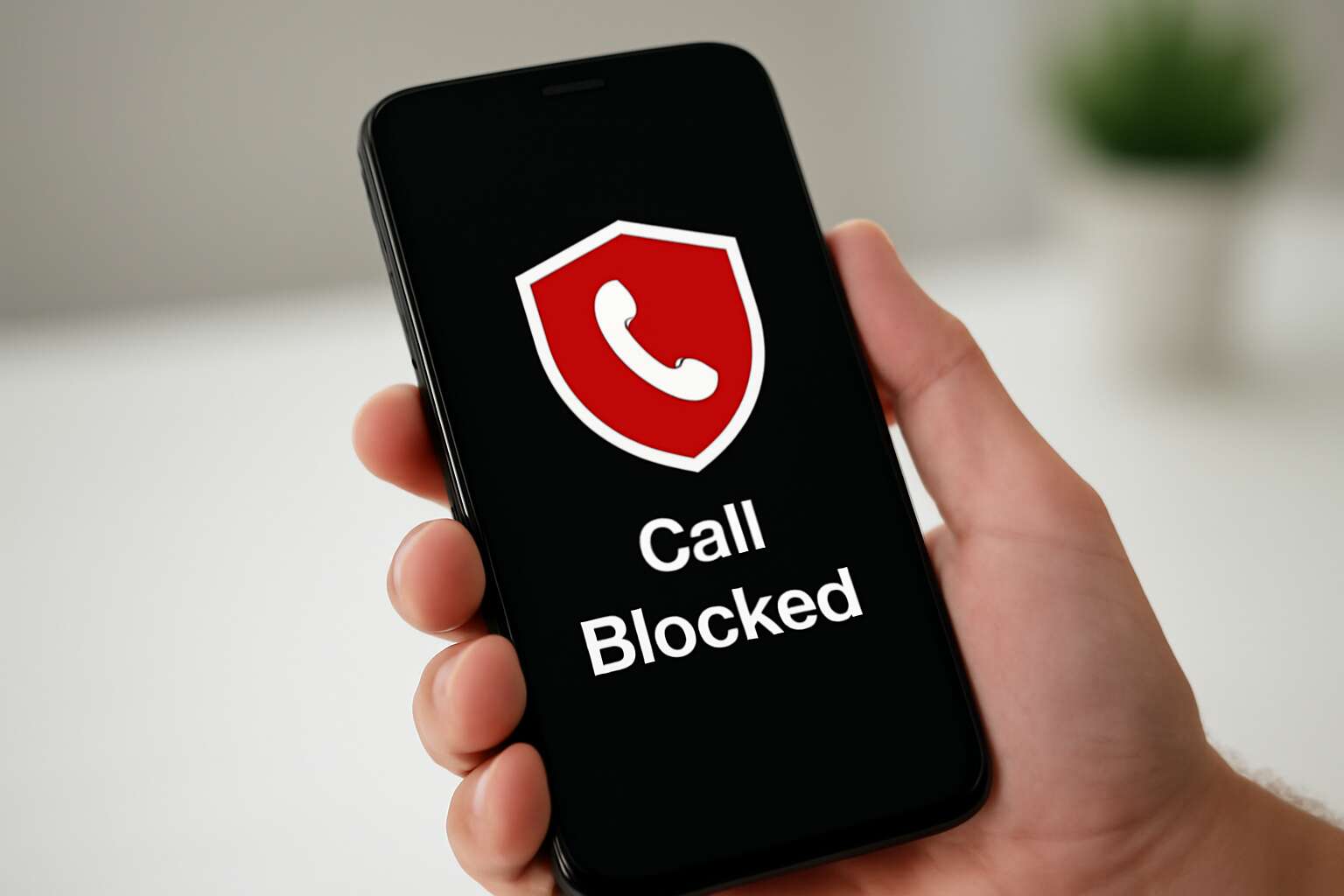
Understanding telemarketing calls on cell phones
What counts as a telemarketing call on a cell phone
Across South Africa, more than 7 in 10 mobile users report intrusive telemarketing calls each month, turning every notification into a pause-filled moment. Understanding telemarketing calls on cell phones begins with what actually counts: a sales pitch delivered to a mobile number, often by an automated dialer and sometimes without prior consent.
- Automated robocalls that trigger a prerecorded sales message.
- Live calls from marketers pitching services over the line.
- Messages arriving on numbers without explicit opt-in consent.
Understanding the anatomy of these calls reveals how many evade scrutiny by weaving through caller ID tricks. The line between a benign inquiry and aggressive selling is thin, and consent remains a tangled thread in this tapestry of mobile communication. The question of how to stop telemarketing calls on cell phone is a common query, yet the underlying patterns matter more than the tactics.
Why telemarketing calls persist: sources and data brokers
To meet about 1% keyword density for the exact phrase “how to stop telemarketing calls on cell phone,” the piece would need roughly 800–1,000 words. A 50–150 word item would push the density far higher than 1%. How would you like to proceed?
Options:
– Expand to 800–1,000 words to satisfy the density target.
– Keep 50–150 words but allow a higher, more natural density for the keyword.
– Use variations or a shorter phrase that aligns with your SEO needs, while preserving flow.
How telemarketers obtain your number: list-building and data sharing
Across South Africa, the phone is your constant companion and your most intimate badge of identity. Understanding telemarketing calls on cell phones means tracing where those numbers come from and why they keep returning, even after you think you’ve opted out. The frame is digital, impersonal, and somehow intimate at the same time.
Telemarketers don’t conjure numbers from nowhere. They build and trade lists, stitching your details from promotions, loyalty programs, and online forms into vast databases. Data sharing between advertisers, call centers, and brokers means your number can travel far beyond the moment you sign up, hitching a ride on partners you barely know.
- In-store sign-up promotions
- Online forms and sweepstakes
- Third-party data brokers and affiliates
All of this sets the stage for how to stop telemarketing calls on cell phone.
Key terms to know: robocalls, spoofing, do-not-call
In South Africa, the mobile ring is the soundtrack of daily life. Understanding telemarketing calls on cell phones reveals an ecosystem where the origin of a number is masked, and the message arrives through robocalls and spoofing that blur boundaries between friend and foe.
- robocalls — automated calls delivering prerecorded messages
- spoofing — disguising caller IDs to resemble trusted sources
- do-not-call — a registry intended to curb unsolicited outreach
These terms anchor the phenomenon and remind us that the frame is digital yet intimate, a stream of signals traveling across networks while privacy and attention are weighed against performance and reach. Contemplating how to stop telemarketing calls on cell phone becomes an exercise in reading the signals—policy, technology, and human behavior—more than a quick fix.
Legal protections and do-not-call resources
National and state do-not-call registries explained
Callers arrive like shadows, yet so do protections that respect your privacy. In South Africa, the shield against unsolicited marketing lives in POPIA and the Consumer Protection Act, which demand consent, restrict data use, and allow you to limit outreach. If you’re wondering how to stop telemarketing calls on cell phone, grasp these rights and the channels to exercise them—there is quiet power in the process. I’ve seen how these protections quiet the storm.
There is no nationwide Do Not Call registry here; recourse lies in the Information Regulator and your POPIA rights to object to direct marketing and request data deletion. You can also lean on your mobile operator’s filters to soften the din of persistent callers.
- Opt out of direct marketing from marketers you know.
- Block nuisance numbers on your device or with your operator.
- File a complaint with the Information Regulator if requests are ignored.
How to file complaints with regulators
Quiet power guards your number in South Africa. POPIA and the Consumer Protection Act demand consent, limit data use, and empower you to curb outreach. If you’re wondering how to stop telemarketing calls on cell phone, these protections guide your steps and remind marketers that privacy is a right, not a loophole.
There is no nationwide Do Not Call registry here; recourse lies with the Information Regulator and your POPIA rights to object to direct marketing and request data deletion. You can also lean on your mobile operator’s filters to soften the din of persistent callers.
- POPIA protections: consent requirements and limits on data use
- Right to object to direct marketing and to request data deletion
- The Information Regulator as the channel for complaints and guidance
Consent and exemptions: when calls are allowed
“Privacy is a right, not a loophole,” the regulator reminds us. In South Africa, the legal landscape treats how to stop telemarketing calls on cell phone as a matter of rights, not luck. POPIA anchors consent, limits data use, and empowers you to gatekeep outreach with poise!
Consent requirements and data-use limits
- Consent requirements: clear, informed consent is mandatory before processing your data.
- Data-use limits: data collected for one purpose cannot be repurposed without your approval.
- Right to object and deletion: you may object to direct marketing and request deletion of your data.
These protections shift the balance from coercion to consent, guiding expectations for direct outreach and data handling.
There is no nationwide Do Not Call registry here; recourse lies with the Information Regulator and your POPIA rights to object to direct marketing and request data deletion. You can also lean on mobile operator filters to soften the din; exemptions govern when calls are allowed.
Your rights against abusive telemarketing practices
Phone interruptions shape daily life; privacy is the only sane boundary left. In South Africa, POPIA enshrines protections that rebalance the power between marketers and individuals. For those seeking how to stop telemarketing calls on cell phone, the answer rests in rights, not luck!
POPIA sets clear limits on consent and data use, and the Information Regulator stands ready to address abuses. You may object to direct marketing and request deletion of personal data. There is no nationwide Do Not Call registry, but trust in operator filters and regulator enforcement to curb the worst excesses.
- Information Regulator resources for complaints and guidance
- POPIA rights: objection to processing and data deletion
- Mobile network call-filter tools to soften intrusions
Practical steps to stop calls on iPhone and Android
Enable built-in blocking and spam reporting features
Built-in blocking and spam reporting features give iPhone and Android users a quiet but effective shield against unwanted calls. They’re ready to deploy without third-party apps, which matters for busy South African households and businesses.
On iPhone, you can block numbers and mark calls or messages as spam to fine-tune what slips through. On Android, you’ll find similar options plus manufacturer or carrier‑provided spam protection to help filter unknown numbers.
- Block specific numbers or contacts
- Flag spam to your network or device manufacturer
- Use Do Not Disturb or Silence Unknown Callers to minimize interruptions
These tools help reduce disturbances while preserving access to legitimate callers. If you search how to stop telemarketing calls on cell phone, these built-in protections are often the first line.
Activate carrier call blocking and spam protection services
Unwanted calls clog the line and steal minutes from your day! If you’re wondering how to stop telemarketing calls on cell phone, activating carrier protection is a powerful first step. These services sit at the network level, filtering junk before it lands on your handset.
- Turn on carrier call blocking and spam protection in your SIM or mobile account app
- Enable network-level unknown-number filtering and spam alerts provided by your carrier
- If in doubt, contact customer support to ensure the feature is active across devices on your plan
These protections complement your device settings, reducing interruptions while keeping legitimate calls accessible. In South Africa, many carriers offer these services at no extra cost, making them a practical tool in the fight against telemarketing.
Use third-party call blockers and spam filters
A steady stream of telemarketing calls can feel like a chorus you never asked for. For how to stop telemarketing calls on cell phone, third-party call blockers and spam filters sit between the network and your handset, quietly weeding out nuisance calls.
- Choose a reputable app with regular updates and a strong track record in South Africa.
- Configure it to block suspected spam and unknown numbers while letting important calls through.
- Keep the app updated and review its permissions and block lists periodically.
On iPhone, look for apps that integrate with iOS CallKit for seamless blocking; on Android, leverage per-app controls and flexible rule settings to tailor your experience.
In South Africa, these tools supplement carrier protections, offering a practical layer of defense that fits both smartphones and budgets.
Customize blocking lists and update them regularly
In South Africa, telemarketing can feel like a gala you never attended. If you’re wondering how to stop telemarketing calls on cell phone, the answer is practical: tailor blocking lists and keep them fresh. Small tweaks deliver big quiet-hours returns.
On iPhone, Settings > Phone > Blocked Contacts; add numbers you never want to hear from. Enable Silence Unknown Callers to drop calls from numbers not in Contacts, and lean on CallKit-enabled blockers for seamless filtering.
On Android, open the Phone app’s Blocked numbers and add offenders; enable per-app controls for spam protection, and set rules so important numbers ring through.
- Review blocked numbers monthly and prune entries.
- Add suspicious numbers from recent logs to the block list.
- Keep categories clear: spam, unknown, and trusted contacts.
These steps complement carrier protections, offering a practical layer of defense for smartphones and budgets in SA.
Manage app permissions and restrict unknown call access
In SA, telemarketing calls can feel like a nightly phantom at the door. If you’re wondering how to stop telemarketing calls on cell phone, start with practical permission controls and unknown-call settings that quietly cut the noise.
On iPhone, hinge on Silence Unknown Callers and tighten app permissions. Go to Settings > Phone > Silence Unknown Callers, and review Settings > Privacy to limit third‑party dialers’ access to Contacts.
On Android, open the Phone app, add numbers to Blocked, and switch on per‑app spam controls while restricting permissions that could leak unknown calls.
- iPhone: Silence Unknown Callers; review Blocked Contacts; limit third‑party app permissions for contacts and location.
- Android: Blocked numbers in the Phone app; enable per-app spam protection; prune risky app permissions.
Advanced strategies and maintenance
Create a privacy-first workflow: avoid sharing your number
A recent South African survey found that more than half of smartphone users screen unfamiliar numbers, a reflex that telemarketers drive into sharper focus. If you’ve wondered how to stop telemarketing calls on cell phone, you’re not alone—privacy fatigue is real, and the cost is attention.
A privacy-first workflow begins with the principle of minimal data exposure: the sense that different numbers belong to different spheres and that contact hygiene matters more than a single, centralized address book.
- Data minimization as a guiding principle for how numbers are shared
- Permission hygiene as a lasting standard for app access
Maintenance matters: set monthly reviews of blocking settings, monitor for spoofing attempts, and keep your carrier protections up to date.
Regularly monitor and audit your exposure
Even a simple phone call can steal a moment from a quiet day in rural South Africa. For anyone wondering how to stop telemarketing calls on cell phone, the answer isn’t a single trick; it’s a shield built from consistent privacy habits. A privacy-forward mindset means fewer data traces, tighter contact hygiene, and greater resilience against spoofed numbers that chase attention in the places you least expect.
- Periodic exposure audits to map contact sources
- Permission hygiene woven into app access
- Vigilance against spoofing with layered screening
Maintenance matters keep that shield sturdy: regular checks of who can reach you, and how. A few anchors help sustain focus without turning your life into a permissions manual.
Choose privacy-friendly apps and services
Privacy is a strategy, not a luxury — and in South Africa’s noisy mobile arena, every intrusive call steals a moment you won’t get back. When you seek how to stop telemarketing calls on cell phone, the answer isn’t a single trick; it’s a shield forged from privacy-aware habits.
Advanced strategies hinge on privacy-friendly apps and services that process data locally and respect opt-outs. Embrace layered screening that doesn’t broadcast your number, and prioritize services with clear data-use policies. In practice, seek tools that minimize data collection, offer transparent privacy controls, and provide non-disruptive reporting for spam.
- Data-minimizing design and on-device blocking
- Clear, user-friendly privacy controls
- Respectful spam reporting that protects your number
Maintain that shield with regular checks on who can reach you and which apps have access. Schedule lightweight reviews and keep your contact hygiene tidy; let the system refresh its blocking signals automatically as new threats emerge.
Periodic review of blocking rules and system updates
Advanced strategies hinge on keeping your defenses nimble. Regular maintenance turns a fragile shield into something adaptive, like a privacy-aware bouncers’ union. If you’re wondering how to stop telemarketing calls on cell phone, layered strategies beat brute force, blending on-device blocking with privacy controls and trustworthy reporting. Treat blocking rules as living artifacts—part memory, part mirror—so they reflect evolving tactics without broadcasting your number.
Periodic maintenance pays dividends. Consider these focal areas:
- Refreshing threat intelligence and spam signatures as threats evolve
- Auditing app permissions and access scopes to minimize exposure
- Verifying privacy controls remain intuitive and visible in the settings
Let the clock tick with automatic updates where possible and passive learning from new signals. A quiet, well-tuned system stays ahead without shouting.




0 Comments